Create a Strong Impression Using Custom Business Cards Printing
Within today's competitive professional sphere, custom business cards remain a crucial asset for creating professional connections. They present a tangible representation of a brand's identity and values. A well-crafted card can create a lasting impression, making it imperative to consider design elements carefully. However, the real impact of a business card goes beyond aesthetics. Understanding how to effectively circulate and utilize these cards can greatly elevate networking opportunities. What strategies can enhance their effectiveness further?
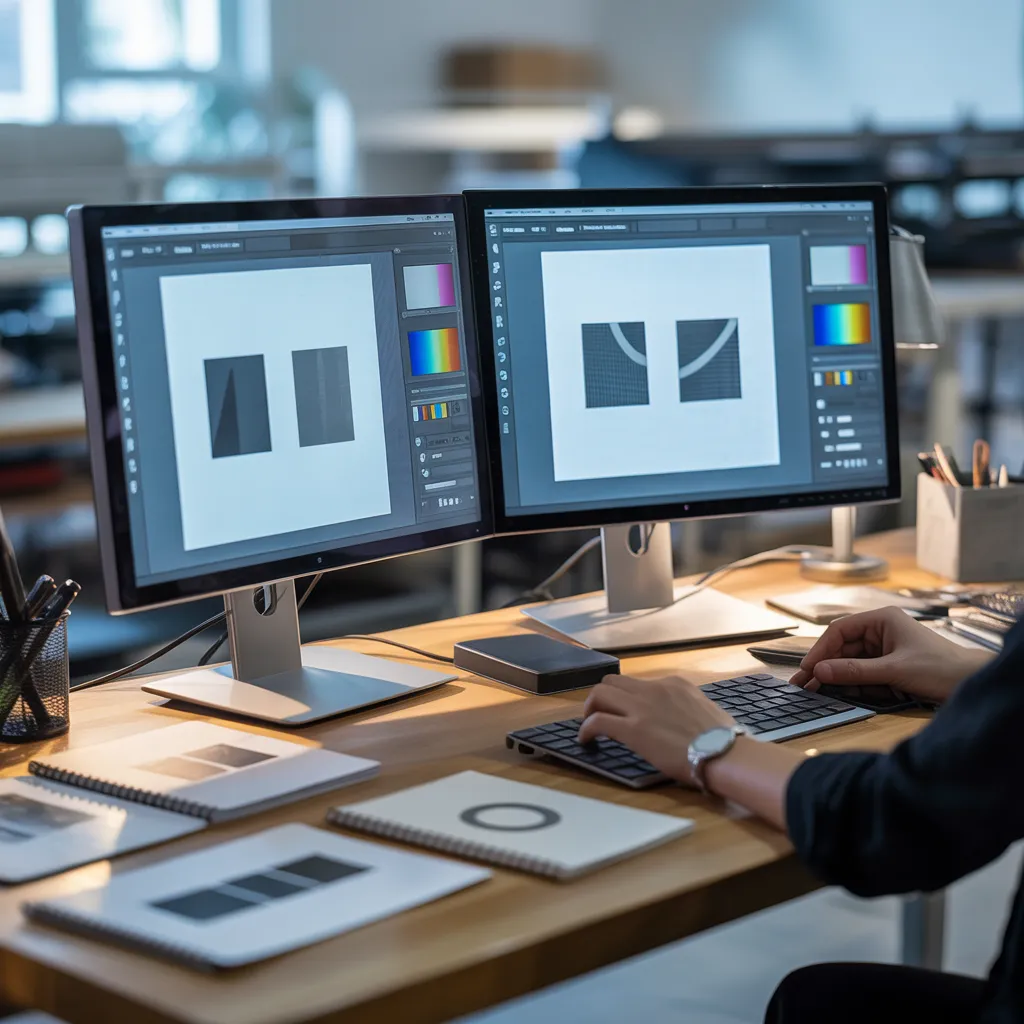
The Importance of Custom Business Cards for Your Brand
Custom business cards function as an indispensable tool for establishing brand identity. They convey professionalism and form a tangible connection between people and their companies. A professionally designed card communicates a brand's core values, personality, and competitive advantages, making it easier for potential clients or associates to remember them. These cards work not only as repositories of contact details but also as compact marketing instruments that can generate conversations and foster networking opportunities.
In an increasingly digital world, physical business cards stand out, providing a personal touch that digital substitutes often don't provide. When handed out, they make a lasting impression, strengthening a brand's presence in the minds of recipients. Customization allows for creativity, showcasing the essence of the brand, whether through visual aesthetics, typography, or materials. Ultimately, the significance of custom business cards lies in their ability to cultivate relationships and enhance visibility, making them a essential investment for any brand.
Vital Design Components for Business Cards
A thoughtfully created business card functions as a visual representation of a brand's identity and values. Critical design components include a clear and legible font, making sure that contact information is easily readable. The choice of color plays a crucial role; it should reflect the brand's personality while remaining visually appealing. Adding a logo strengthens brand recognition and establishes a professional image.
White space carries equal significance, as it helps prevent clutter and permits key information to stand out. In addition, the layout should be well-balanced, guiding the viewer's eye seamlessly across the card. Innovative design elements, such as rounded corners or embossing, can add a memorable touch without eclipsing the overall aesthetic. As a final point, including social media links or quick response codes can give potential clients with easy access to additional information. Combined, these design features work toward a business card that effectively conveys professionalism and brand identity.
Selecting Materials for Personalized Corporate Cards
Choosing the right materials for business cards is vital for leaving a lasting impression. The choice of paper stock plays a critical role, with options ranging from standard cardstock to premium finishes like linen or textured materials, each conveying a different level of professionalism. The weight of the paper also matters; heavier cards often feel more sturdy and durable.
Along with paper, special coatings can enhance the card's appearance and durability. Glossy finishes can make colors stand out, while matte options offer a more subtle, elegant look. Some may opt for unique materials such as plastic or metal, which can distinguish their cards in a crowded market.
Ultimately, the selected materials should correspond to the brand's identity and message, ensuring that the business card is not only visually attractive but also indicative of the values and professionalism of the individual or company depicted.
Help Your Business Card Stand Out
Creating a memorable business card involves more than just choosing the right materials; it requires incorporating original design elements that attract attention. A standout business card frequently features eye-catching colors, remarkable typography, and inventive layouts that reflect the brand's personality. Incorporating textures, such as embossed or foil accents, can also enhance tactile appeal, making the card more captivating.
Adding a logo or graphic that reflects the business's identity strengthens its presence in the recipient's mind. Simple layouts can convey refinement, while bold patterns may evoke originality. Moreover, including essential information briefly ensures clarity without overwhelming the viewer.
Using non-traditional shapes or sizes can additionally differentiate a business card, making it unlikely to be discarded. Ultimately, a well-designed business card works as a potent marketing tool, leaving a enduring impression on prospective clients and partners.
Smart Distribution of Your Business Cards
Although crafting an attention-grabbing business card is crucial, its impact copyrights significantly on strategic distribution. Handing out business cards in the right situations can substantially boost networking prospects. Determining target audiences is crucial; cards should reach professionals who are likely to connect with the business.
Functions including trade shows, conferences, and community gatherings act as excellent venues for distribution. Professionals should also think about local businesses and cafes as informal networking venues, where casual interactions can create meaningful connections.
Utilizing digital platforms can additionally broaden reach; sharing a digital format of a business card using email or social media offers additional visibility.
Furthermore, follow-up exchanges are critical. Handing out cards should be matched with personal contact, making certain that recipients recognize the individual behind the card. In the end, a thoughtfully planned distribution plan transforms a basic card into a potent networking asset.
Assessing Your Business Card's Networking Influence
When assessing the networking impact of business cards, first impressions serve a vital function in establishing connections. Compelling design elements can increase memorability, while providing essential information confirms that potential contacts can easily make contact. Recognizing these factors is vital for maximizing the effectiveness of business cards in business interactions.
First Impressions Matter
Initial impressions serve a crucial function in networking, as a well-designed business card can substantially affect perceptions. In business interactions, the exchange of cards often serves as a person's introduction. A card that is visually appealing, easy to read, and professionally printed can convey a sense of reliability and thoroughness. On the other hand, a poorly designed card may suggest carelessness or a lack of professionalism. The tactile experience of holding a quality card can strengthen a favorable perception, making it memorable. This initial encounter can determine whether a potential client or partner feels inclined to reconnect or interact more. Consequently, investing in a business card that effectively represents one's brand is vital for successful networking.
Design Elements That Stand Out
Strategic design elements can significantly enhance a business card's networking impact, as they create a visual identity that appeals to recipients. Key components such as color, typography, and layout play vital roles in conveying professionalism and brand identity. A thoughtfully chosen color palette can stimulate emotions and set the tone, while memorable typography can make the card memorable. The layout should focus on balance and readability, guaranteeing that essential elements are easily recognizable. Incorporating distinctive shapes or textures can also create a tactile experience, further connecting with the recipient. Moreover, using high-quality materials reflects dedication to excellence. Finally, these design elements work together to leave a lasting impression, making the business card not just a contact tool but a powerful networking asset.
Important Information To Feature
A thoughtfully created business card achieves optimal results only when it incorporates the proper information. Critical components consist of the person's name, professional title, and organization name, which create identity and trustworthiness. Contact information including phone number, email address, and website are crucial for enabling subsequent communications. Additionally, incorporating social media handles can enhance networking opportunities, particularly in digital spaces. A succinct motto or outline of services can further illuminate the person's professional concentration. It is also crucial to contemplate featuring a logo, as it bolsters brand recognition. In conclusion, making certain that the card's arrangement is uncluttered and visually attractive will boost its complete impact, leaving a memorable impression on potential clients or partners.
Questions & Answers
What Are the Common Expenses Involved in Custom Business Card Printing?
Typical costs for custom business card printing range from $10 to $100, determined by factors like quantity, paper quality, design complexity, and printing method. Luxury options may include special finishes or special materials.
What's the Timeline for Designing and Printing Custom Business Cards?
Typically, creating custom business cards takes a few hours to a few days, depending on complexity. Printing time typically ranges from 1-2 weeks, dependent on the number ordered, paper type, and specific printing techniques.
Is It Possible to Order Business Cards in Bulk for Reduced Pricing?
Bulk orders of business cards generally come with discounted rates. Print vendors typically offer volume-based pricing that reduces individual card costs as quantities increase, making it a cost-effective article option for businesses.
Are There Environmentally Friendly Options for Custom Business Cards?
Yes, many printing companies offer eco-friendly options for custom business cards. These feature recycled paper, plant-based inks, and sustainable materials, enabling individuals to make eco-friendly decisions while still developing professional and impactful designs.
Which File Formats Do I Need for Business Card Designs?
When it comes to business card designs, typical file formats include PNG, PDF, and JPEG. Vector formats like AI and EPS are preferred for high-quality printing, providing crisp edges and vibrant colors. Proper resolution is essential for best results.